
 Image 1 of 1
“Bird Girl is an often touching and often incisive critique of the 1970s downtown art scene. As a Soho dweller for decades, I enjoyed the veiled references to artists, critics, and galleries and as a feminist activist I identified wholeheartedly with the protagonist, a young woman artist ill prepared for the hierarchical vicissitudes of the commercial art world who finally trades her victim status with her victimizer. Not a pretty picture, but Duston Spear was there then and knows the dirt.” —Lucy R. Lippard, author of Moving Targets
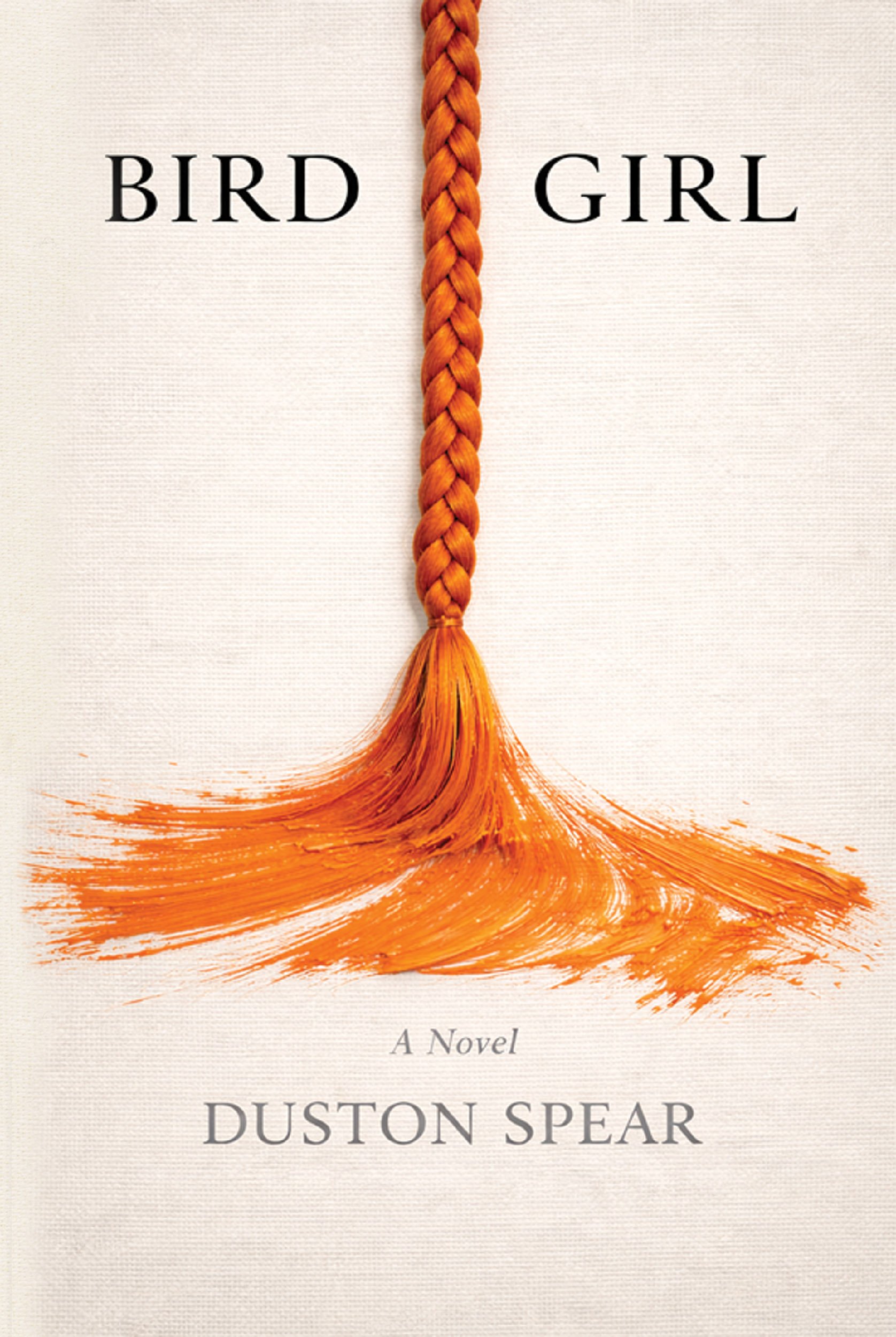
Rebekah Hunnicutt, a reclusive painter now living in Western Massachusetts is unexpectedly thrust into the art-world spotlight when a popular podcast identifies her as the young woman behind a decades-old art-world incident. In the 1970s, at the height of the Soho art scene, she was entangled with an ambitious artist who used her four-foot-long braid as material for his work.
The podcast’s retelling of that episode turns her into a reluctant célèbre, drawing curious visitors to the once-secret studio where she has quietly reworked the same seven canvases for forty years. Now she must decide whether to remain in the shadows or finally re-enter the New York art world, armed with the artwork that has consumed her life.
What unfolds lay bare the artistic power dynamics that shaped her youth and the ways a woman’s image can be celebrated as muse only to be erased as an artist. Rebekah’s journey between past and present illuminates the long personal consequences of that youthful artistic transaction and the cost of a single act of creation that wasn’t entirely her own.
Bird Girl is a clear-eyed exploration of female visibility and erasure and the reclamation of a silenced voice through art.